The Long Lunch
Keep the menu generous but unfussy: something warm from the oven, a large bowl of salad, good bread, and plenty of water on the table.
A memorable gathering rarely comes from doing more. It comes from arranging the right things with intention: a table that feels generous, food that can be shared, and a room that lets people settle in.
This guide brings together simple hosting ideas for dinners, weekend lunches, casual drinks, seasonal gatherings, and spontaneous meals at home.
Hosting begins before the first plate reaches the table. It begins with the sense that the room has been prepared for people rather than perfection.
Clear just enough space. Set out the pieces guests will actually use. Keep water within reach. Place serving bowls where they can move naturally from kitchen to table.
A gathering feels generous when nobody has to wonder where to sit, where to place a glass, or whether they should wait for permission to help themselves.
Think less about creating a perfect scene and more about creating an easy flow between cooking, serving, eating, and lingering.

Not every gathering needs the same energy. Let the time of day, number of guests, and type of meal determine how formal or relaxed the table becomes.
Keep the menu generous but unfussy: something warm from the oven, a large bowl of salad, good bread, and plenty of water on the table.
Build around one-pan cooking, a simple saucepan side, and plates that move directly from the kitchen to the table.
Use a stock pot, one sauce pan, and wide pasta bowls. Serve family-style so everyone can settle in quickly.
Let the table stay flexible. Arrange glasses, small dishes, and shareable snacks so guests can move around freely.
A Dutch oven, roasted vegetables, and a simple dessert create a meal that feels substantial without requiring constant attention.
Bake something, pour something, and let the table carry a little more food than you think you need. Abundance feels welcoming.
Think of the table as a working surface first. Every object should help guests eat, serve, pour, or pass something comfortably.
Place dinner plates first. They establish spacing immediately and help you understand how much room remains for shared serving pieces.
A single drinking glass per place keeps the table visually calm. Add more only when the menu genuinely calls for it.
Wide bowls and low platters make conversation easier because guests can see across the table.
Empty space is useful. It gives hands somewhere to move and makes the table feel composed rather than crowded.
Repetition creates visual coherence. Similar plates, bowls, and glass silhouettes make a mixed table feel intentional.
Neutral tableware gives vegetables, sauces, bread, fruit, and desserts room to become the strongest visual element.
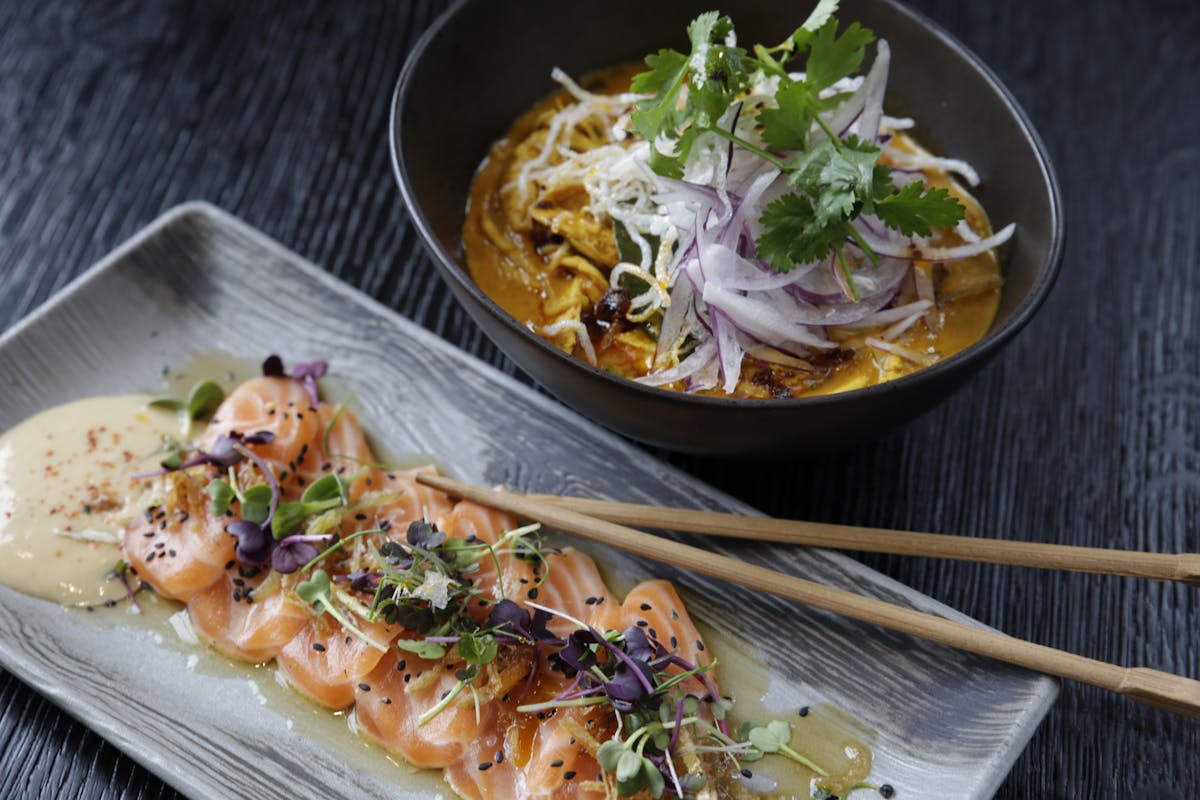
Passing food around the table creates movement, conversation, and a natural sense of generosity.
Pasta bowls and serving bowls make shared dishes easy to reach without feeling oversized.
Drinking glasses and water should be ready before guests sit down.
A Dutch oven or attractive pan can move directly to the table when appropriate.
Leave room for an extra bowl, a second pitcher, or a fresh plate of food.
A gathering feels effortless when each stage naturally leads into the next.
Chop, portion, set out cookware, organize serving bowls, and clear the counters before guests arrive.
Put out drinks immediately. A glass in hand helps guests settle while the kitchen finishes its last few minutes.
Aim for a short, intentional transition between kitchen and table instead of serving one element at a time.
Remove empty serving pieces, but do not rush the table. Let glasses and conversation stay.
Bring out cake, fruit, or something small after the table has had a moment to reset.
Use wide pasta bowls for grain dishes, hearty salads, shared sides, or relaxed one-bowl meals.
When cookware looks composed, bring it directly to the table and eliminate unnecessary transfers.
For casual gatherings, arrange drinking glasses together and let guests choose their own.
Cake pans and baking sheets make dessert or roasted sides easy to prepare before guests arrive.
A cutting board can become a practical bread, fruit, or appetizer station during casual service.
Pantry containers help leftovers, dry goods, and next-day ingredients return to order quickly.
“The best hosting does not ask guests to admire the table. It gives them a reason to stay at it.
A little preparation creates more freedom once people walk through the door.
Give yourself one clean counter for last-minute plating, pouring, and serving.
Guests should be able to reach water immediately without asking where anything is.
Match dishes to bowls, pans, and platters before the food is ready.
Heat-safe essentials should already be near the oven before the busiest moment begins.
Keeping one frying pan or saucepan available gives you flexibility when something needs reheating.
Having pantry containers ready makes the end of the evening easier and more organized.
If the host can relax, the room usually follows.
From ordering new kitchen pieces to getting support after delivery, our store policies are designed to keep the process straightforward.
Each answer remains closed until you choose to open it, keeping the page visually calm and easy to scan.
Start with one serving piece for each major dish and keep the table from becoming crowded. Shared bowls, plates, and cookware can often serve multiple purposes.
Matching is not essential. A table feels coherent when shapes, scale, and overall simplicity relate to one another.
Use family-style food, prepare as much as possible in advance, keep drinks self-serve, and choose dishes that do not need constant attention.
Frying pans, saucepans, Dutch ovens, stock pots, cutting boards, dinner plates, pasta bowls, drinking glasses, baking sheets, and pantry containers all play useful roles before, during, and after a gathering.
Keep only essential plates and glasses at each setting, use low serving bowls, and leave extra food nearby for easy refills.
Yes. All Saventra products include free shipping.
Orders are delivered within 3–5 business days under Saventra's current delivery policy.
Saventra provides free returns and exchanges within 30 days.
Whether you are choosing pieces for everyday meals or preparing your kitchen for a gathering, our customer support team is available 24/7.
